Poinsettia Christmas Card: Premium Illustrations
As a digital publisher who has spent years refining the visual identity of high-traffic blogs, I approach every new graphic design asset with a critical eye. It is not enough for an image to be pretty; it must perform. When I first opened the files for the Poinsettia Christmas Card, my immediate thought was about its potential to elevate seasonal content beyond the generic clip-art aesthetic that often plagues holiday posts. This collection of Illustrations strikes a delicate balance between traditional festive charm and modern editorial cleanliness, making it a versatile tool for anyone serious about content marketing during the Q4 rush.
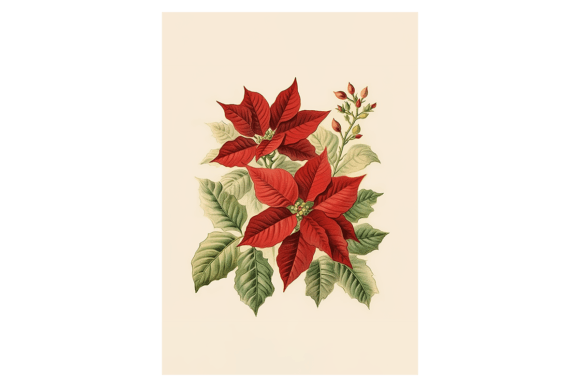
The first impression this asset creates is one of warmth without clutter. In the world of web design, especially during the holidays, there is a temptation to over-decorate, which can hurt readability and user experience. The Poinsettia Christmas Card avoids this trap. The lines are crisp, the colors are rich but not oversaturated, and the composition leaves ample negative space. This is crucial for visual hierarchy. Whether you are placing text over the image for a Pinterest pin or using it as a subtle background element in a newsletter, the design supports your message rather than competing with it. It feels inherently lifestyle-focused yet polished enough for professional small business branding.
Integrating Seasonal Assets into Real Publishing Workflows
For bloggers and affiliate marketers, the utility of a design asset is measured by how many different contexts it can survive. I envision the Poinsettia Christmas Card serving as the cornerstone for a cohesive holiday campaign. Imagine preparing a series of gift guides or "best of" lists. Using these Illustrations as featured images creates an instant thematic connection for your readers. Because the style is consistent, it helps build brand identity; your audience will begin to recognize your holiday content before they even read the headline.
Beyond standard blog posts, this asset shines in the creation of digital products. If you are an online educator or a coach selling a digital guide or an eBook cover, the sophisticated nature of these poinsettias adds a layer of perceived value. A printable design derived from these files could serve as a high-value lead magnet, such as a set of holiday planners or greeting cards that subscribers can download. For those utilizing a Canva template workflow, these elements can be imported to create custom social media graphics that stand out in a crowded feed, moving away from the overused templates that everyone else is using.
In terms of editorial design, the asset works beautifully as a section breaker or a drop-cap accent in long-form articles. It adds a touch of elegance to recipe blogs, home decor sites, and parenting niches. However, its versatility extends to affiliate marketing visuals as well. When promoting physical products, having a unified visual theme across your website header, sidebar banners, and product comparison charts increases trust. Readers are more likely to click through to an offer when the surrounding content looks professionally curated.
Optimizing for Performance and Reader Trust
The ultimate goal of any creative design in a publishing context is to improve engagement metrics. The Poinsettia Christmas Card supports this by offering a stronger first impression. In a sea of red and green noise, a well-composed illustration draws the eye naturally. This leads to better click-through potential on social platforms and search results. Furthermore, consistent use of high-quality design assets signals to your audience that you care about quality, which translates to improved reader trust. This is vital for monetization; a professional look justifies premium pricing for your own products or increases conversion rates for affiliate links.
However, strategic placement is key. This asset works best as a hero image on desktop views, where the details of the Illustrations can be appreciated. It is also excellent for category thumbnails, helping users navigate your site's holiday section intuitively. For newsletter headers, the horizontal adaptability of the design allows it to frame your subject line effectively without obscuring the text. On social media previews, particularly Instagram stories or Facebook covers, the bold botanical shapes provide a strong focal point that stops the scroll.
Critical Considerations for Implementation
While the Poinsettia Christmas Card is a robust tool, there are scenarios where it should be used with caution. In very small mobile thumbnails, intricate details might get lost, so it is essential to test the scalability. If your layout is already text-heavy, adding this graphic might create visual congestion; in such cases, use it as a subtle watermark or border rather than a full background. Additionally, for niches that require a stark, corporate, or ultra-minimalist aesthetic, the organic nature of the poinsettia might feel too decorative. It is less suited for serious financial advice or hard-news sectors unless styled very specifically.
From a technical standpoint, there are several practical steps every publisher should take. First, always test the asset on both desktop and mobile screens to ensure the contrast remains high and the text remains legible. Preview the image inside your actual blog layout, not just in isolation. Experiment with typography; try pairing the Poinsettia Christmas Card with a classic serif font for an elegant look, a clean sans-serif for modernity, or a handwritten script for a personal touch. Ensure you review the file size to maintain fast page load speeds, compressing images properly without losing quality. Finally, and most importantly, confirm the commercial license terms. Before using this on monetized websites, affiliate pages, or in paid content products, verify that your usage rights cover commercial design applications. Sourcing from a reputable creative marketplace ensures you have the legal safety to use this digital download confidently in your business.