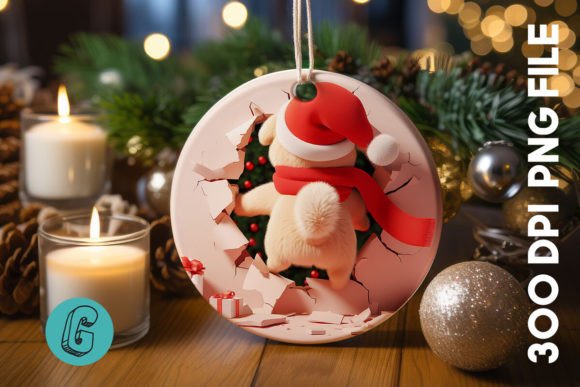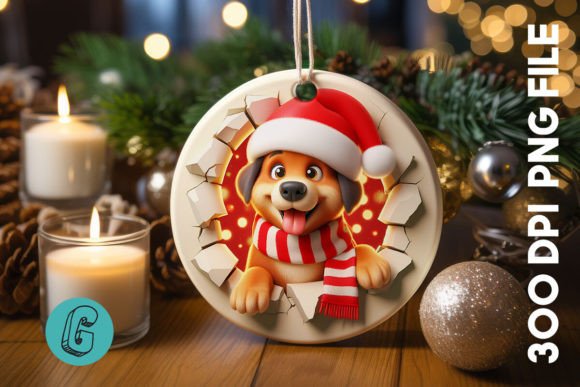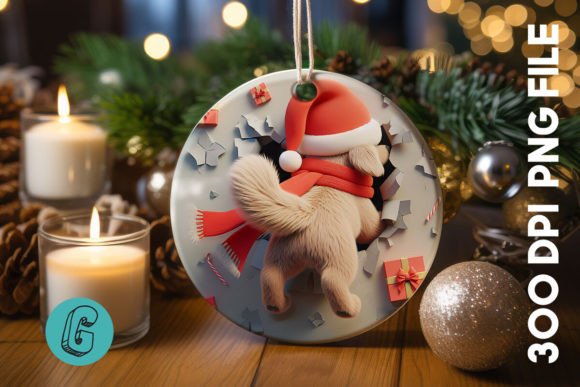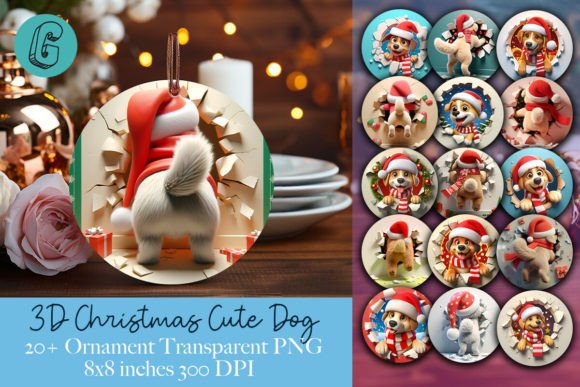
3D Cute ELF Christmas Ornament B 133 Review
As a brand designer who has spent the last decade helping local businesses stand out on crowded shelves and digital feeds, I approach every new graphic design asset with a critical eye. It is not just about whether an image looks "nice"; it is about whether it can carry the weight of a brand identity, communicate a specific mood, and ultimately drive sales for a small business branding project. Today, I am evaluating 3D Cute ELF Christmas Ornament B 133, a standout piece within the broader category of Illustrations, to see how it performs in real-world commercial applications.
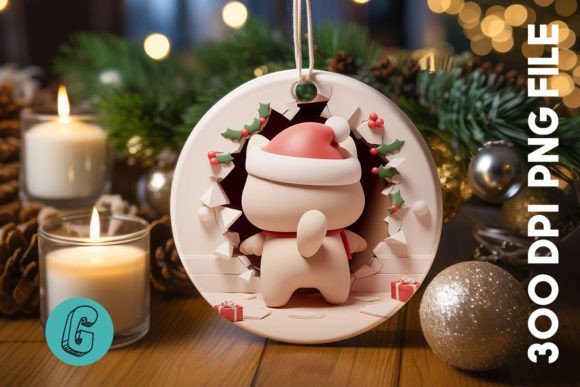
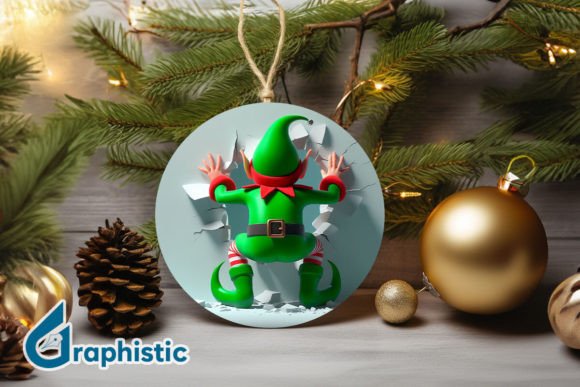
My first impression of 3D Cute ELF Christmas Ornament B 133 is one of immediate warmth and playful nostalgia. The rendering style suggests a high-quality, tactile feel that mimics physical ornaments, making it perfect for brands that want to evoke a sense of handmade care and festive joy. Unlike flat vector art that can sometimes feel sterile, this asset brings depth and personality. It suggests a brand personality that is friendly, approachable, and deeply rooted in tradition, yet modern enough to appeal to contemporary consumers. This makes it an ideal fit for local business owners in the bakery, confectionery, boutique gift, or children's product sectors who are looking to launch a seasonal campaign without losing their core identity.
Transforming Local Products with Festive Identity
In the context of packaging design, versatility is king. 3D Cute ELF Christmas Ornament B 133 shines when used as a hero graphic on limited-edition holiday packaging. Imagine a local coffee roaster releasing a "Winter Warmth" blend; placing this elf ornament prominently on the bag creates an instant emotional connection. It tells the customer that this isn't just coffee; it is part of their holiday ritual. Similarly, for a handmade business selling artisanal soaps or candles, this illustration can be scaled down to serve as a charming accent on a product label or a hang tag. The 3D quality adds a layer of perceived value, making the product feel more premium and gift-ready.
Beyond physical goods, this asset is a powerhouse for marketing visuals. For social media managers and creative entrepreneurs, the depth of the illustration allows it to pop against various backgrounds in Instagram stories or Facebook ads. It works exceptionally well in social media graphics announcing holiday hours, special promotions, or gift guide roundups. When used in editorial design for a local lifestyle magazine or a community newsletter, it adds a touch of whimsy that breaks up text-heavy layouts. The key here is leveraging the asset's dimensional quality to create a visual hierarchy that draws the eye immediately to the most important message.
Strategic Placement for Maximum Brand Impact
To get the most out of 3D Cute ELF Christmas Ornament B 133, one must understand where it works best. It is particularly effective on printable design elements like thank-you cards included in online orders. A small elf peeking out from behind a "Thank You" message reinforces the brand's attention to detail and fosters customer loyalty. It also excels as a decorative element on website banners during the Q4 season, guiding users toward holiday collections. For product mockup presentations, using this ornament helps clients visualize how their final digital product or physical good will look in a festive setting, aiding in faster decision-making.
However, a professional designer knows that restraint is just as important as enthusiasm. There are scenarios where 3D Cute ELF Christmas Ornament B 133 should be used carefully. It is likely too playful for formal corporate branding or industries requiring a strictly minimalist luxury aesthetic, such as high-end jewelry or medical services. Furthermore, designers must avoid placing it on very small labels where the intricate 3D details might blur during printing, or in areas crowded with legal information and ingredient lists. It should never compete with crucial text; instead, it should frame or support it. On low-contrast backgrounds, the subtle shading of the 3D render might get lost, so ensuring sufficient contrast is vital for maintaining professional branding standards.
Designer Notes: Technical Execution and Licensing
Before integrating 3D Cute ELF Christmas Ornament B 133 into a client project, there are several practical steps I recommend. First, always test the asset on real product mockup files to see how the lighting and shadows interact with your specific packaging material. Check how it renders in black and white, as some promotional materials may still be printed in monochrome. If the file format allows, inspect the PNG design transparency to ensure there are no unwanted halos around the edges, which can ruin a clean look. While this is a raster-based 3D render, if you are pairing it with SVG design elements or vector logos, ensure the resolution matches to avoid pixelation.
Typography pairing is another critical consideration. This elf ornament pairs beautifully with rounded sans-serif fonts that match its friendly vibe, or with handwritten script fonts that enhance the handmade feel. However, avoid overly rigid serif fonts that might clash with the organic, playful nature of the character. Most importantly, verify the commercial license terms. As a graphic design asset intended for commercial design, you must confirm that your usage rights cover physical product sales, especially if you are a local brand owner selling goods directly to consumers. Ensuring you have the right commercial license protects your business and your clients from legal issues down the line.
Ultimately, 3D Cute ELF Christmas Ornament B 133 is more than just a holiday clipart; it is a strategic tool for small business branding. When used with intention, it strengthens first impressions, improves shelf appeal, and builds a stronger emotional connection with customers. Whether you are designing a Canva template for a boutique or creating a custom packaging design for a food brand, this illustration offers the perfect blend of charm and professionalism needed to succeed in the competitive holiday market.